



Robin Boyd Foundation in Melbourne
Thu September 4, 2025 @ 10:00 am – Sun September 7, 2025 @ 2:00 pm AEST
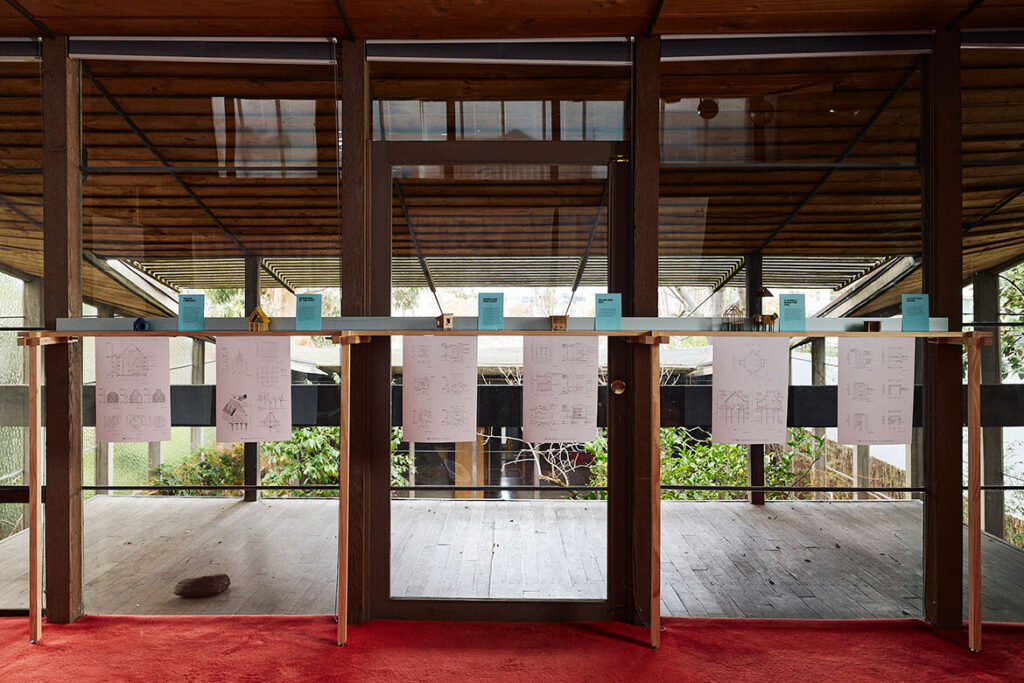
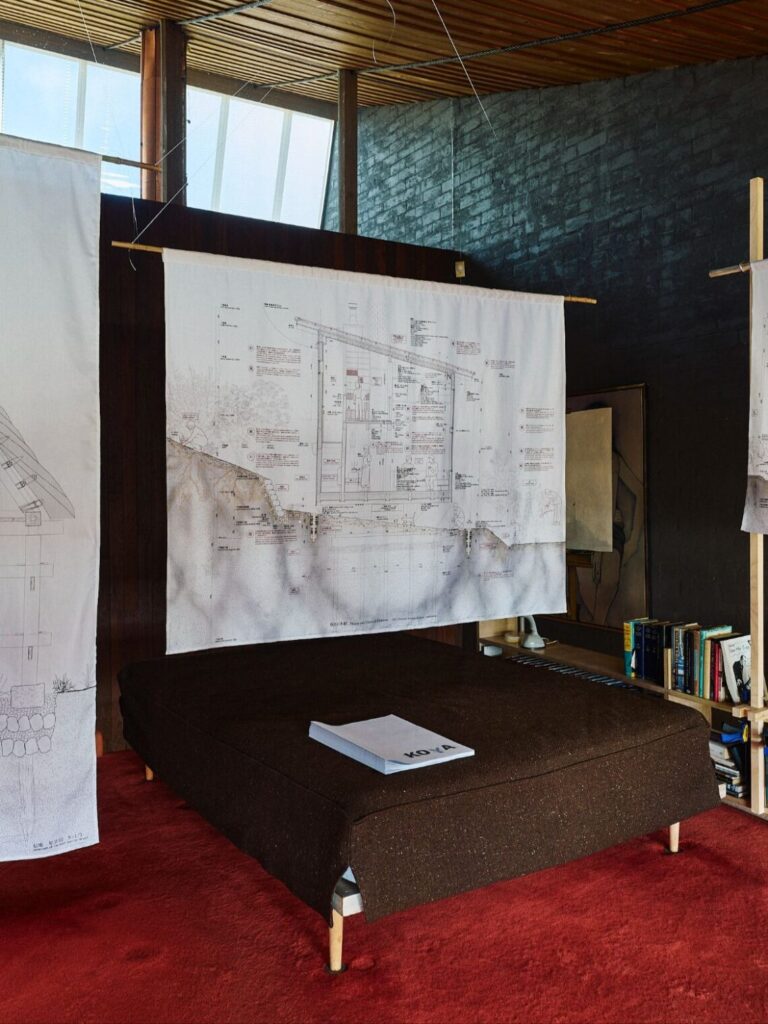
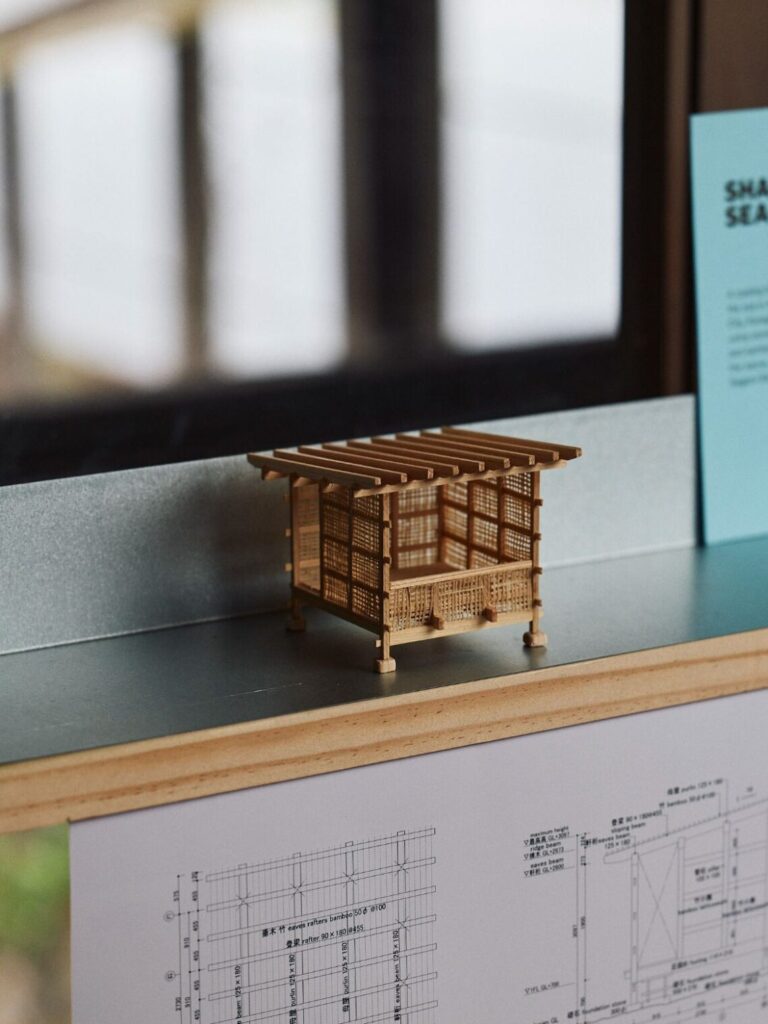
Join us at Walsh Street for KOYA: shed architecture. The exhibition will examine the humble shed – called koya in Japanese – as an enduring architectural typology that challenges dominant ideas of scale, permanence and construction. Modest and often overlooked, the shed sits between the vernacular and the experimental, offering alternative ways to think about architecture outside the mainstream. In response to mass production and consumption, Japanese architects Mio Tsuneyama and Fuminori Nousaku engage with the shed not merely through form, but as a method – working resourcefully with local materials, drawing on traditional building techniques, and rethinking details such as using lightweight, independent foundations to minimise impact on the land. A selection of their projects is presented alongside contributions by architecture students from the University of Melbourne to reimagine the shed as a new vernacular in contemporary practice today.
Curated by Nancy Ji, Mio Tsuneyama and Fuminori Nousaku, KOYA: shed architecture is a collaboration between Robin Boyd Foundation and the Melbourne School of Design.
Mio Tsuneyama is an architect and educator whose work bridges European and Japanese contexts. After working at Bonhôte Zapata Architectes in Switzerland, she received the Swiss Federal Government Scholarship and graduated from the École Polytechnique Fédérale de Lausanne (EPFL) in 2008. She continued her career at HHF Architects until 2012 and founded Studio mnm upon returning to Japan. Tsuneyama has held teaching positions at Tokyo University of Science, EPFL, and Columbia University, contributing to architectural discourse across cultures.
Mio’s collaborator and partner, Fuminori Nousaku, established his own architectural practice Fuminori Nousaku Architects in2010 and serves as an associate professor at the Tokyo Institute of Science, where he also earned his PhD. He has held numerous academic roles in Japan and taught internationally at the Technical University of Munich and Columbia University. In 2024, Mio and Fuminori co-founded HOLES, a platform dedicated to ecological renovation and architectural theory. Their practice integrates lived experimentation with academic research, proposing architecture that engages the land as a living system – an urgent rethinking of design in the climate crisis era.
Nancy Ji is a Chinese-born designer, academic, and lecturer in Architectural Design at the Faculty of Architecture, Building and Planning, University of Melbourne. She holds a Bachelor of Architectural Studies from the University of Auckland, a Master of Architecture from the University of Melbourne, and a PhD from Keio University in Japan. With experience living, studying, and working in Japan, Nancy’s research examines contemporary design practices in both urban and rural settings as a reflection of Japan’s post-growth condition.
Mio Tsuneyama is the 2025 Robert Garland Treseder Fellow at the Faculty of Architecture, Building, and Planning, University of Melbourne. This Fellowship enables artists, business innovators, designers, policy leaders, start-ups, architects, and scholars dedicated to the development and promotion of design-based innovation to visit Melbourne. We are grateful for the generous ongoing support of the Robert Garland Treseder Fellowship.